


 Author: CYCT
 2026.06.12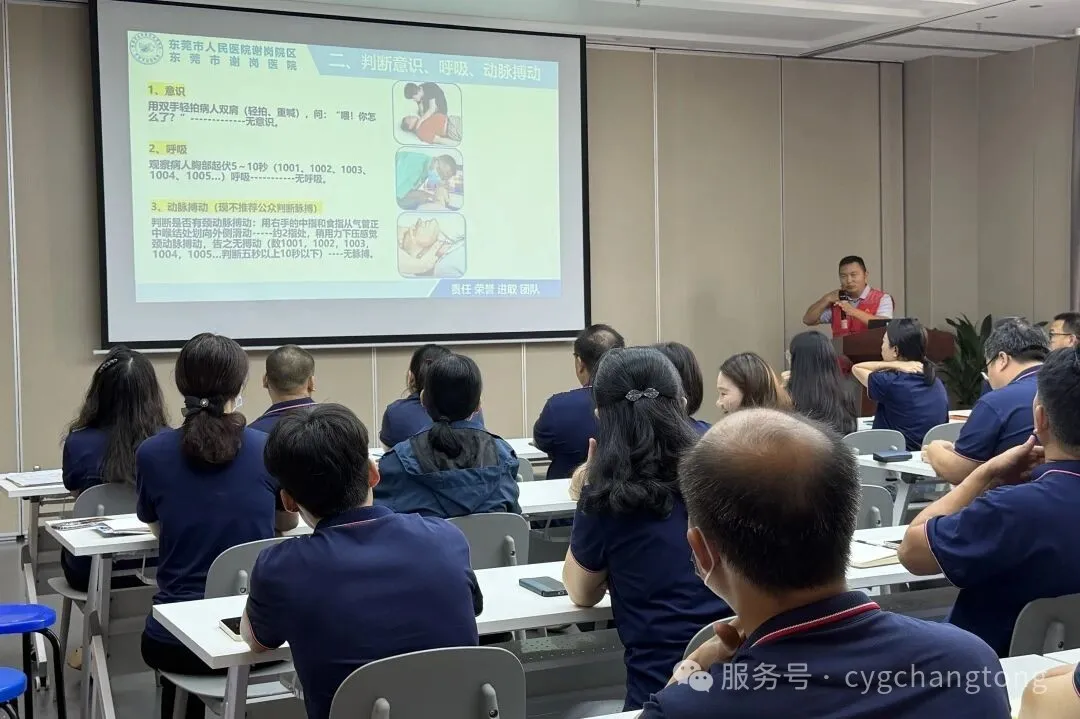
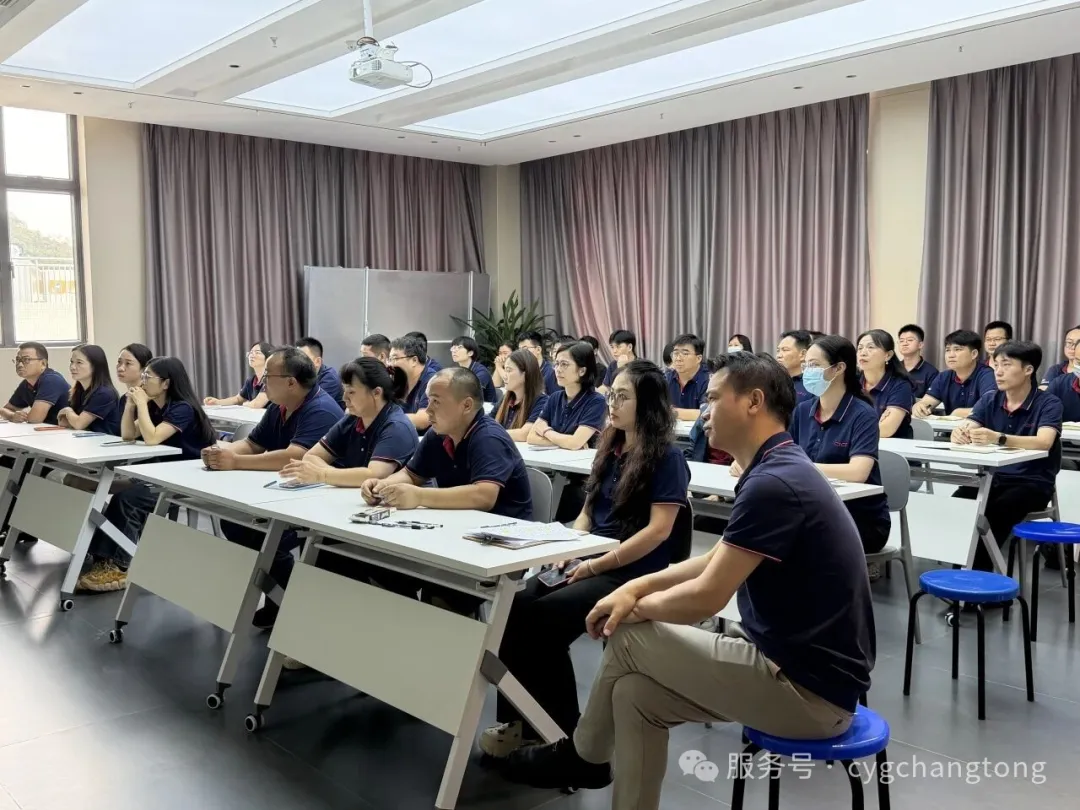
At the opening of the training, Director Pang Angsheng drew on his frontline clinical first-aid experience to systematically explain the causes of sudden cardiac arrest, the urgency of on-site emergency response, and the golden four-minute rescue principle in plain and easy-to-follow language. He comprehensively broke down the complete logic and core key points of CPR (Cardiopulmonary Resuscitation) and AED defibrillation operations.
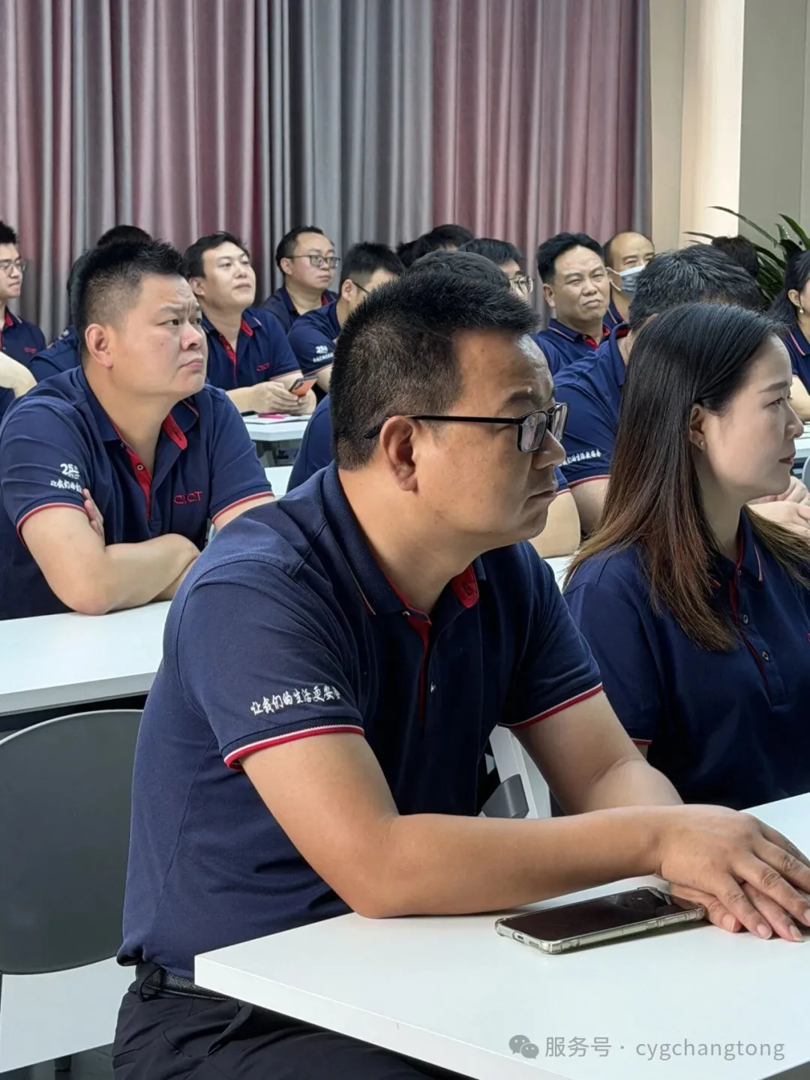
During the lecture, Director Pang walked through the full standardized first-aid workflow in meticulous detail. Covering every critical step — from scene safety assessment, victim consciousness check, calling for emergency help, to chest compressions, airway opening, rescue breathing, as well as powering on the AED, attaching electrode pads, analyzing heart rhythm and delivering defibrillation shocks — he elaborated on operational standards, core technical parameters and frequently overlooked errors, while correcting widespread public misconceptions about daily first aid.
For core CPR operations, Director Pang clarified standardized specifications: the compression landmark is the midpoint of the line connecting the two nipples; compression depth shall be 5–6 centimeters at a rate of 100–120 compressions per minute. Rescuers must strictly follow the cycle of 30 compressions followed by 2 rescue breaths. Compressions shall be delivered evenly, rapidly and continuously with full chest recoil between compressions to maximize rescue efficacy.
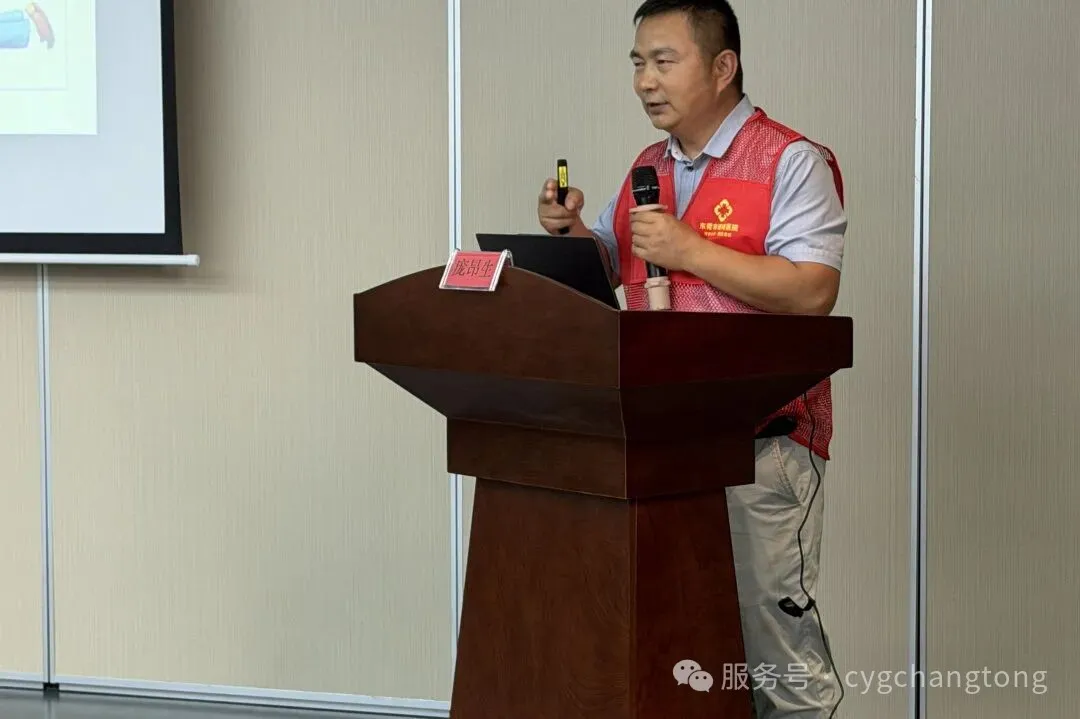
After the theoretical session, Director Pang delivered a full demonstration to help participants intuitively grasp practical operating points. Starting with the initial safety hazard inspection, he demonstrated pre-rescue procedures one by one: tapping and shouting to test consciousness, observing chest rise to check breathing, immediately dialing 120 for emergency medical services, and fetching the nearest AED device. He then completed the full set of standardized movements including chest compressions, head-tilt chin-lift airway opening and rescue breathing, with precise control over compression force, frequency, posture, ventilation duration and tidal volume of rescue breaths.
The entire demonstration featured standardized procedures, clear steps and exhaustive details, effectively avoiding common errors in casual first aid such as misaligned compression landmarks, insufficient depth, irregular compression rates and over-ventilation during rescue breathing. All staff gained a clear grasp of standardized resuscitation movements and a coherent logical framework for emergency response.
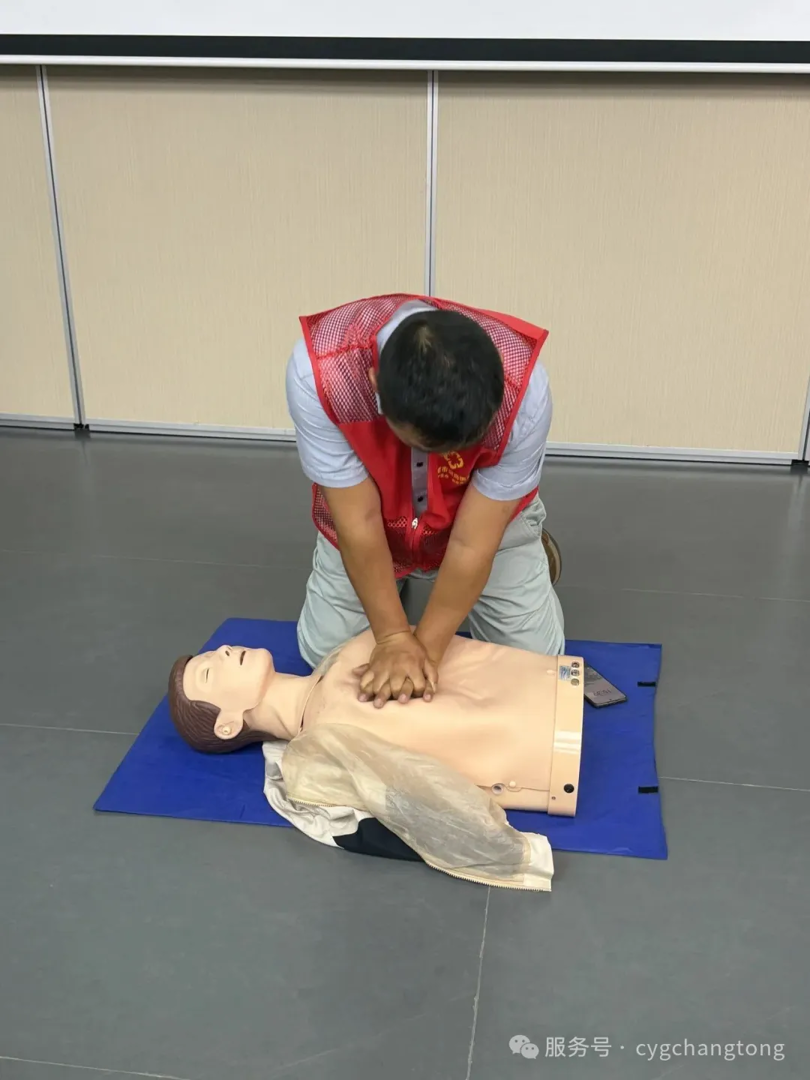
Theoretical knowledge lays a solid foundation, while hands-on practice builds real competence. Following the demonstration, all participants moved on to practical drills. Under the professional guidance of Director Pang Angsheng, every employee took turns to conduct full emergency rescue workflows on CPR training manikins for immersive practice.
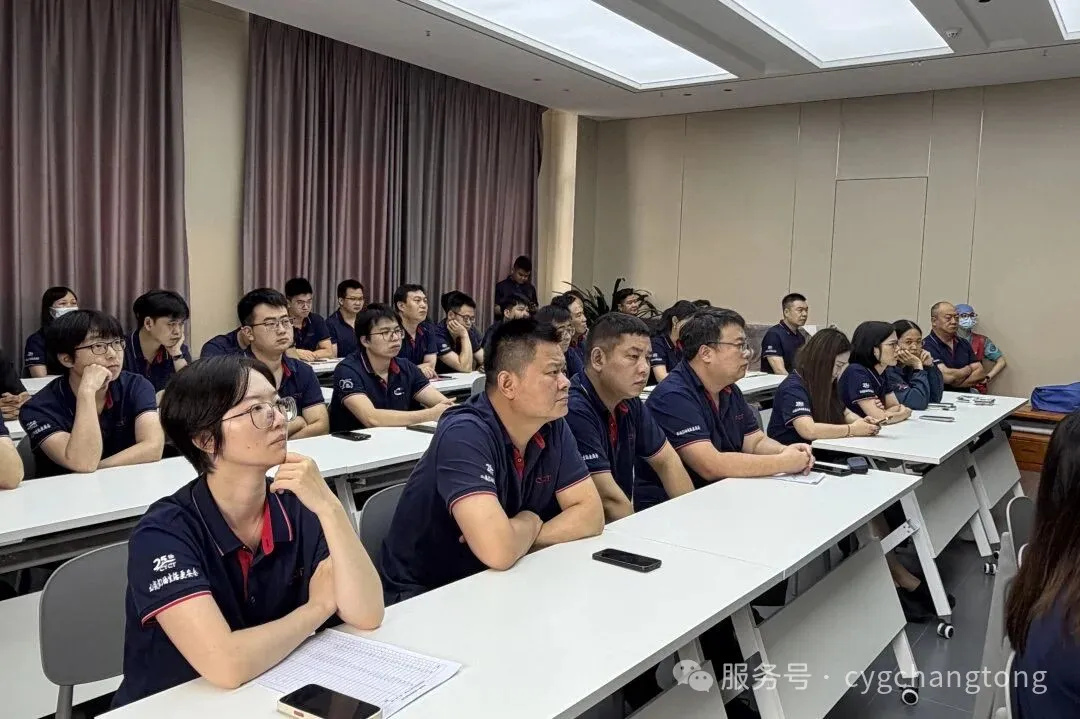
All participants remained earnest and fully engaged during the practical session. Following every procedure taught in the training, they practiced repeatedly step by step, covering consciousness and breathing evaluation, emergency calls, standardized chest compressions and rescue breathing.
For issues including non-standard compression posture, poor force control and stuttered operation sequences, Director Pang provided one-on-one on-site guidance throughout the drill, corrected improper movements hands-on and patiently answered all questions. He ensured every trainee fully understood technical details, mastered standard operations proficiently, and achieved the ability to understand the principles, perform the procedures and act confidently in an emergency.
The training room maintained a vibrant learning atmosphere. Employees exchanged experience and repeated drills to consolidate theoretical knowledge and sharpen practical capabilities, successfully turning textbook theories into actionable emergency rescue skills.
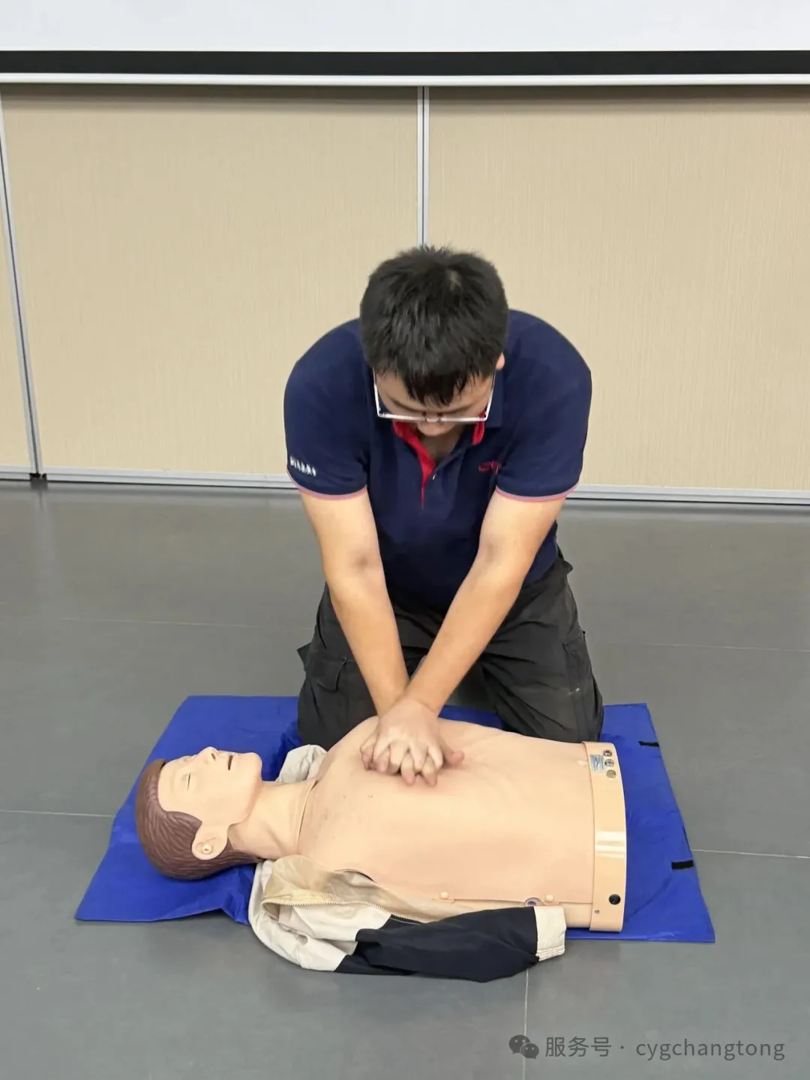
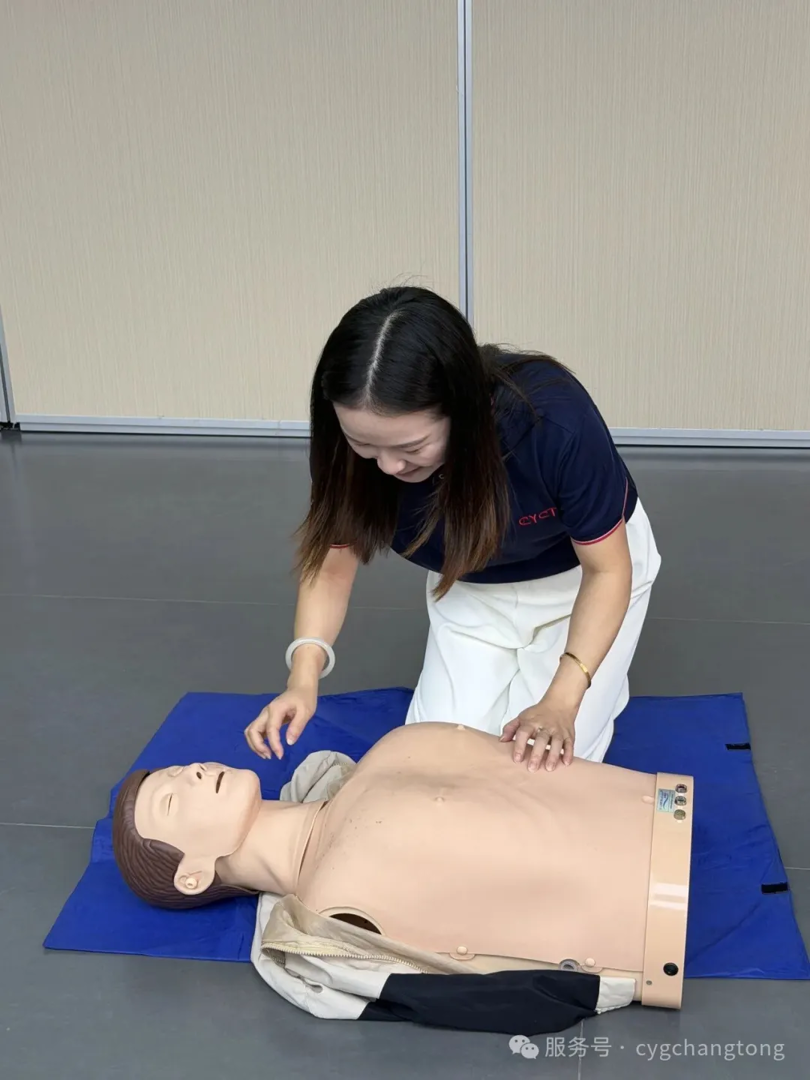
This special CPR & AED first-aid training integrated professionalism, practicality and operability. It effectively filled the staff’s knowledge gaps in emergency rescue, enabled all employees to master standardized rescue workflows and hands-on skills, and deepened their understanding of the vital importance of on-site first aid.
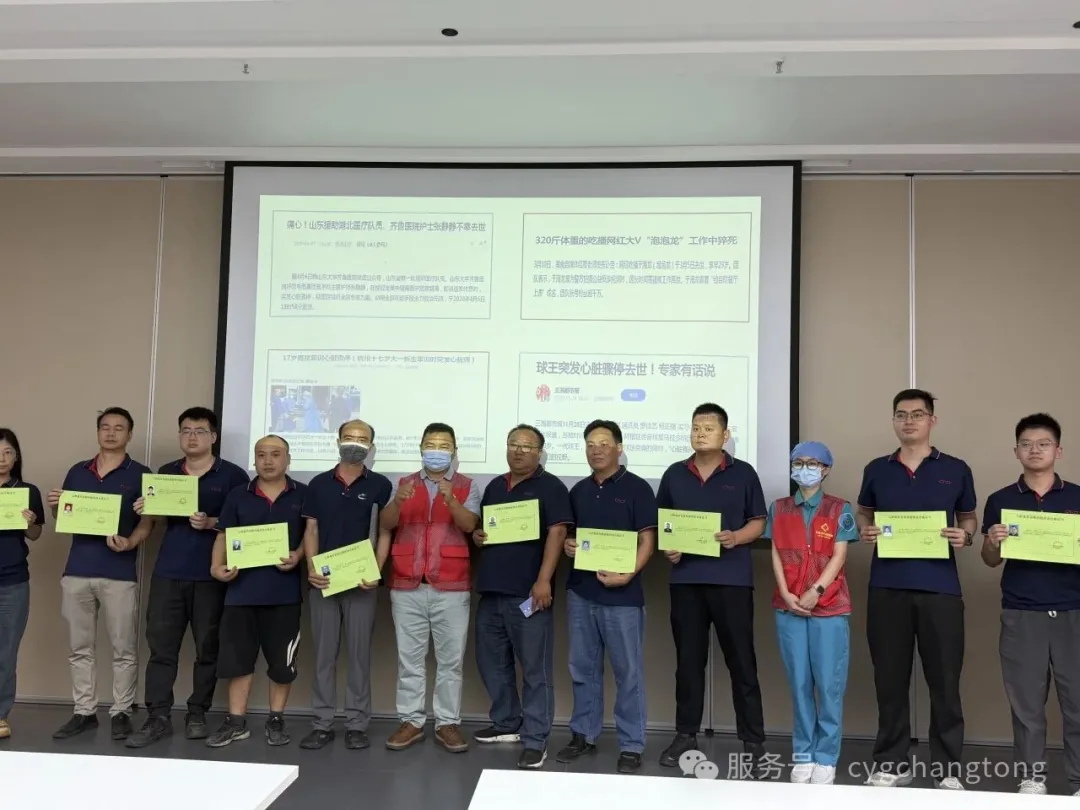
At the closing of the training, Changyuan Changtong awarded completion certificates to all staff who passed the practical assessment, officially recognizing their learning outcomes and marking a successful conclusion to the special training program.
First-aid proficiency is a lifelong mandatory skill. Moving forward, our company will continuously organize regular emergency safety training programs, refine the full emergency response system, and elevate all employees’ safety protection and emergency disposal capabilities. We aim to embed first-aid knowledge into daily awareness and ensure every staff member masters life-saving skills. Supported by professional competence, we will safeguard the lives of ourselves and others, and build an impenetrable corporate safety defense line.


 Name:
Name: Phone:
 Email:
 Product Options:
 Remark: